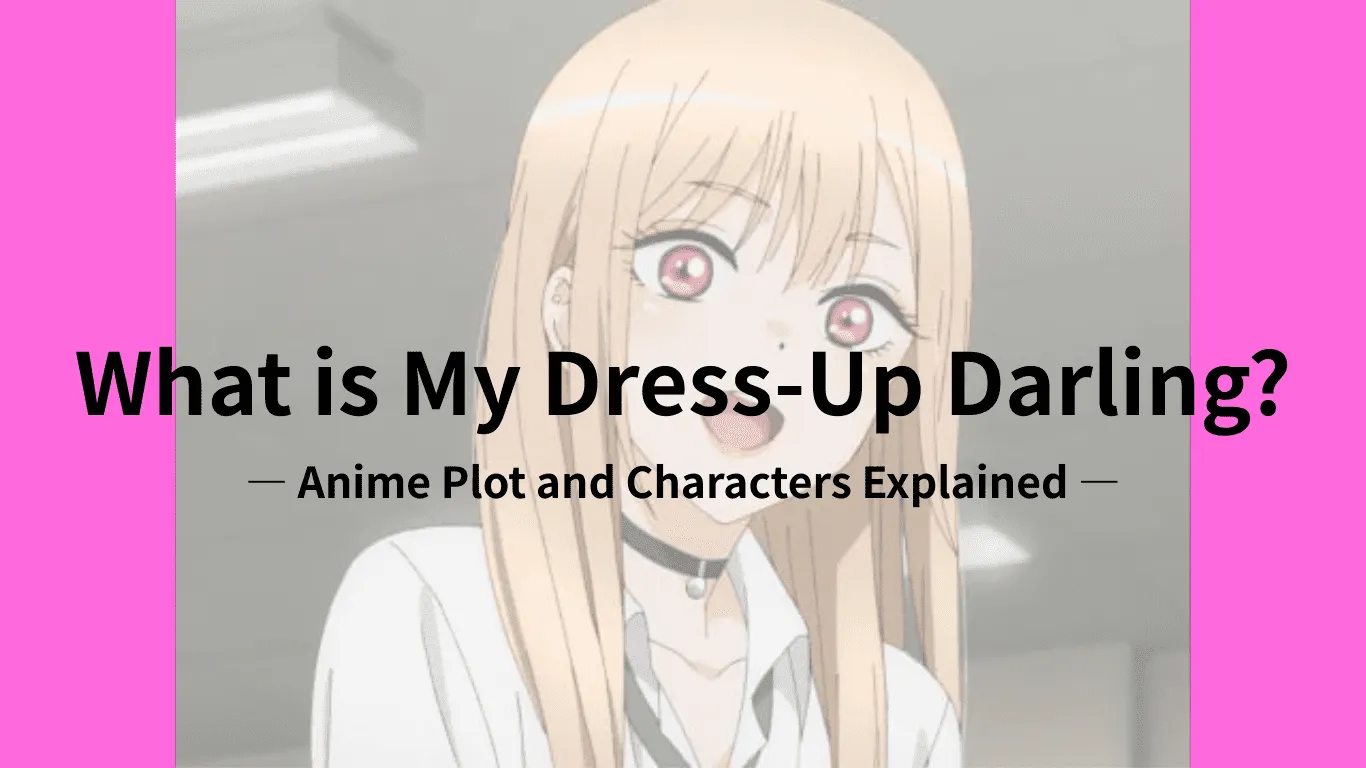
Since its debut, “My Dress-Up Darling” (Sono Bisque Doll wa Koi o Suru) has transcended the boundaries of a typical romantic comedy. It is a vibrant, meticulously crafted celebration of Japanese subculture, craftsmanship, and the beauty of being true to oneself. For fans across the globe, the story of Marin Kitagawa and Wakana Gojo is more than just a “crush” story—it’s an inspiring journey of creative passion.
*Note: This article contains minor spoilers for Season 1 and the early manga chapters.*
- What is My Dress-Up Darling?
- Meet the Characters: More Than Just Archetypes
- Exploring the Artistic Themes: Hina Dolls Meets Cosplay
- 3 Reasons Why My Dress-Up Darling is a Modern Masterpiece
- Beginner’s Corner: How to Start the Series
- FAQ: Frequently Asked Questions
- Conclusion: A Journey of Self-Expression and Love
- What is My Dress-Up Darling?
- Meet the Characters: More Than Just Archetypes
- Exploring the Artistic Themes: Hina Dolls Meets Cosplay
- 3 Reasons Why My Dress-Up Darling is a Modern Masterpiece
- Beginner’s Corner: How to Start the Series
- FAQ: Frequently Asked Questions
- Conclusion: A Journey of Self-Expression and Love
What is My Dress-Up Darling?
At its core, My Dress-Up Darling is a seinen manga series written and illustrated by Shinichi Fukuda. It began serialization in Square Enix’s Young Gangan in 2018 and exploded in international popularity with its 2022 anime adaptation. The story follows an unlikely duo brought together by an sewing machine and a shared appreciation for “otaku” culture.
A Brief Synopsis of the Story
Wakana Gojo is a high school student with a singular, quiet passion: becoming a kashirashi—a master craftsman who creates the heads of traditional Japanese Hina dolls. Because of a traumatic childhood incident where his hobby was mocked, he lives a secluded life, fearing judgment from his peers.
Enter Marin Kitagawa: the school’s most popular “gyaru.” She is energetic, stunning, and unapologetically obsessed with anime, manga, and video games. When Marin discovers Wakana’s incredible sewing skills, she doesn’t mock him. Instead, she enlists his help to realize her own dream: cosplaying her favorite characters. What follows is a heartwarming partnership where a doll-maker’s precision meets a fan’s explosive enthusiasm.
Why It Captured the Hearts of Global Fans
The series’ success lies in its sincerity. Unlike many shows that use cosplay as a gimmick for fanservice, My Dress-Up Darling treats the hobby with professional respect. It dives into the technicalities of fabric choice, makeup contouring, and the psychological hurdles of performance. For the global audience, it validated the effort that goes into being a fan, making Marin Kitagawa a modern icon of “otaku pride.”
“You shouldn’t say things like that about yourself… Your feelings belong to you. You’re the only one who can decide what’s ‘beautiful’ for you.” — Marin Kitagawa
Source: My Dress-Up Darling Official Manga, Square Enix https://www.square-enix.com/
Meet the Characters: More Than Just Archetypes
The character writing in this series is exceptionally deep, stripping away the surface-level tropes to reveal relatable human insecurities.
Marin Kitagawa: The Ultimate “Gyaru” with a Golden Heart
Marin is often described as the “Best Girl” of her season, and for good reason. While she fits the visual aesthetic of a Japanese gyaru (trendsetter), her personality is defined by her kindness and radical acceptance. She hates judgment and loves with her whole heart. Her character arc isn’t about changing who she is; it’s about finding someone who finally understands the depth of her passion. For overseas fans, she represents the dream of a “cool” person who shares their “nerdy” interests.
Wakana Gojo: The Art of Hina Dolls and Finding Self-Confidence
Wakana is the emotional anchor of the series. His journey is one of healing. Through Marin’s encouragement, he learns that his skill is not “weird” but “extraordinary.” The parallels drawn between the traditional art of Hina dolls and the modern art of cosplay are profound. He applies centuries-old techniques to contemporary costumes, proving that craftsmanship is timeless.
Supporting Cast: Shinju and Juju
The introduction of the Inui sisters—Sajuna (Juju) and Shinju—expands the world of cosplay. Juju represents the “veteran” perspective, highlighting the perfectionism and anxiety behind the craft, while Shinju represents the “hidden” passion, struggling with her own body image issues before finding her place in the community.
Exploring the Artistic Themes: Hina Dolls Meets Cosplay
This is where My Dress-Up Darling truly shines as an educational piece of media for international fans who want to understand Japanese culture deeper.
The Meticulous Detail of Cosplay Craftsmanship
The series functions almost as a tutorial. It explains how to use double-sided tape for face-lifts, how to style wigs using heavy-duty glue, and the importance of “character interpretation.” By showing the sweat, tears, and late-night sewing sessions, it elevates cosplay from a “costume party” to a legitimate art form.
Breaking Gender Stereotypes in Hobbies
Wakana is a boy who loves dolls and sewing—traditionally “feminine” pursuits in many cultures. Marin is a girl who loves “eroge” (adult games)—a traditionally “masculine” or taboo niche. By having these characters thrive in their respective interests, the series sends a powerful message: Your gender does not define your passion. This resonates strongly with the modern, inclusive values of the global anime community.
3 Reasons Why My Dress-Up Darling is a Modern Masterpiece
1. Authentic Representation of Cosplay Culture
Most anime treat cosplay as a simple costume change. Here, we see the struggle of finding the right contact lenses and the pain of wearing a corset for hours. It’s a love letter to the process of creation.
2. High-Quality Animation by CloverWorks
The production quality is breathtaking. CloverWorks (known for Spy x Family and Bocchi the Rock!) brought an incredible level of detail to the character expressions and the textures of the fabrics. The lighting and “cinematography” make every cosplay reveal feel like a monumental event.
Source: CloverWorks Official Site https://cloverworks.co.jp/
3. A Healthy and Supportive Relationship
There is no toxic drama here. Marin and Wakana’s relationship is built on mutual respect and “giving.” Marin gives Wakana a social life and confidence; Wakana gives Marin the tools to achieve her dreams. Their romance is slow-burn, but it feels earned because it’s rooted in friendship.
Beginner’s Corner: How to Start the Series
If you are new to the world of *Bisque Doll*, here is how you can dive in:
- Anime: Season 1 consists of 12 episodes, covering roughly the first 39 chapters of the manga. It is available on major streaming platforms like Crunchyroll and Netflix (depending on your region).
- Manga: The manga is ongoing. It offers even more technical details about doll-making and deeper character internal monologues.
- Is Season 2 Coming? Yes! A sequel has been officially announced. While a specific release date is yet to be confirmed, the production is confirmed to be underway.
FAQ: Frequently Asked Questions
Q: Is the series suitable for younger audiences?
A: It is rated for older teens (Seinen). While it contains some suggestive themes (due to the nature of some cosplay outfits), the focus is always on the craft and the emotional bond between characters.
Q: What does “Bisque Doll” mean?
A: It refers to a type of doll made of unglazed porcelain (bisque). In the context of the title, it refers to the beauty and craftsmanship Wakana admires in Hina dolls, and metaphorically, the “doll-like” beauty of Marin.
Q: Is the cosplay depicted realistic?
A: Extremely. Many professional cosplayers have praised the series for its accuracy regarding makeup tips, wig styling, and photography techniques.
Conclusion: A Journey of Self-Expression and Love
My Dress-Up Darling is a reminder that our “weird” hobbies are actually our greatest strengths. Whether you are an artist, a cosplayer, or someone just looking for a beautiful story, Marin and Wakana’s journey will leave you feeling inspired. It’s not just about the clothes they wear; it’s about the people they become while wearing them.